Amazing Facts About Our Earth
Introduction
I'm sure you've heard the saying, "Earth is a small town in space." But what does that mean? Well, it turns out that our planet is actually incredibly fascinating! Here are some facts about our world that will make you feel even more grateful for being here.
Earth is a small town in space
The Earth is not the center of the universe.
The Earth is a small town in space
The moon is moving away from the earth
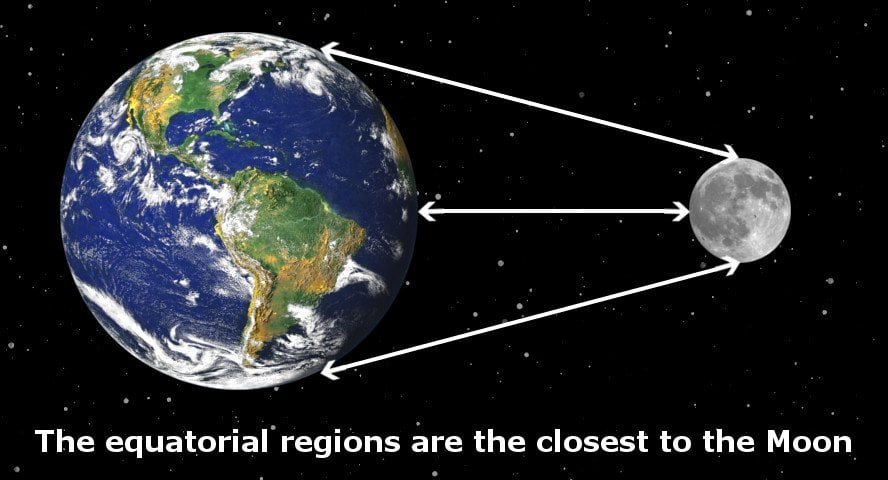
You may be surprised to learn that the moon is moving away from Earth at a rate of 3.8 centimeters per year. The reason for this is because of tidal forces, which are the gravitational pull between two bodies that are in an orbit around each other (e.g., Earth and Moon).
Tides happen when there is more mass than usual on one side of something—in this case, there’s more mass on our oceans than on land or sea surfaces—and it causes a gravitational imbalance to occur between them (i.e., there's too much water). This imbalance causes friction between these bodies and causes them to move apart from each other at different rates depending on where they happen to live: some planets have tides that occur only once every few days while others like Jupiter rotate so fast its day lasts several years!
Not all parts of the earth are habitable.
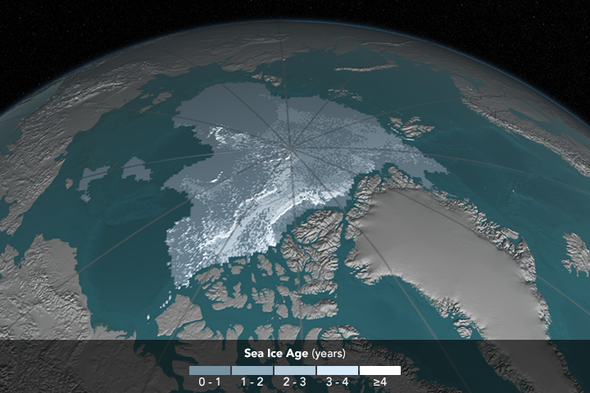
Not all parts of the earth are habitable.
There are places on our planet that are too hot and/or too cold, such as at latitude 40N (the North Pole), where temperatures average -50 degrees Celsius (-58 Fahrenheit). The same goes for equatorial regions, like those found in Africa or Australia.
There are also areas that are too high above sea level, like Mount Everest or K2 which has an elevation of 29,028 feet above sea level. This can cause snowfall from the air many months after it has stopped raining—and sometimes even during hot summer months!
The earth once had two moons.
The earth once had two moons.
The moon we know today is a result of a collision with an object called Theia, which was the size of Mars. We think this happened about 4 billion years ago; it's not clear if the collision created our moon or just knocked it out of orbit around Earth completely. Either way, Phobos and Deimos are all that remains from that time period—and they're pretty interesting!
Phobos has been studied by scientists because its gravitational pull on objects orbiting near it makes them wobble as they spin around their axis: like someone walking on ice skates at high speeds through thick snow (and we all know how slippery that can be). This means there's always something new happening with these rovers—they don't just stay still when measured from one point on Earth; instead, they move back-and-forth across their own orbit like a pendulum does when swung back & forth over water in order to measure its speed against gravity pulling down on both sides equally."
The Himalayas were once taller than the Rockies.

The Himalayas were once taller than the Rockies.
The Himalayas are a mountain range in Asia that forms an arc enclosing most of Nepal and northern India. They're home to Mount Everest, which stands at 8.8 km above sea level—the highest point on Earth's surface. But how did these mountains form?
When tectonic plates move past one another, they collide with force and produce mountains (or volcanoes). The Himalayas are actually a result of this process: when two plates collided 20 million years ago, they formed a mountain range between India/Nepal and Tibet/China as well as what we now know as Mount Everest!
Earth's magnetic field is a shadow

The earth's magnetic field is a shadow.
The sun, a star 93 million miles away, is responsible for this magnetic force. When you look up at the night sky and see constellations such as Orion or Pegasus, they are actually just shadows of the sun on our planet’s atmosphere!
The earth has been around for billions of years
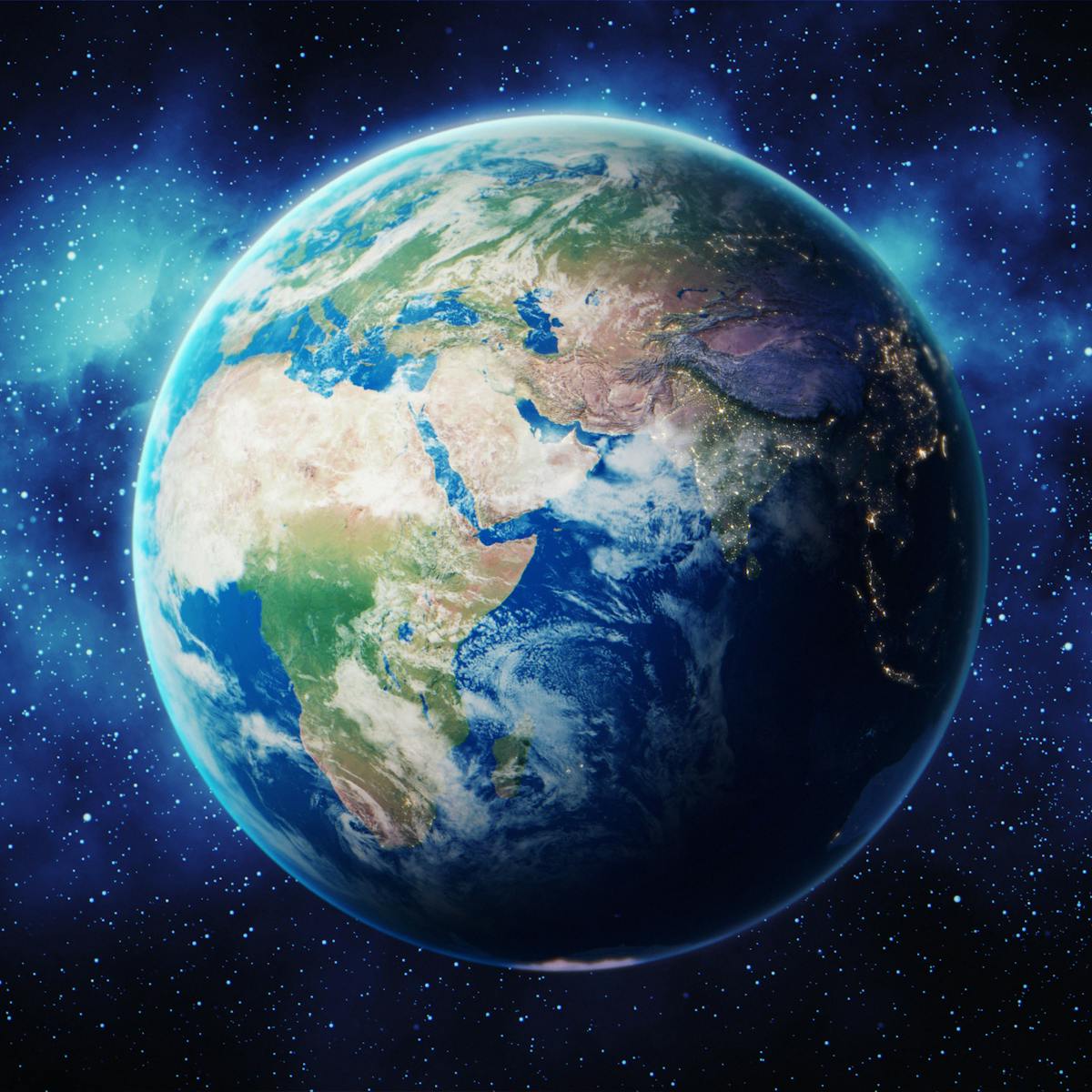
The earth has been around for billions of years, but it's not the same age as our sun. The Earth and its moon are about 4.6 billion years old, while our star is just 4.57 billion years old—and it's still growing! If you were to compare the two planetary bodies in terms of size and mass, they would look like this:
The Sun
| Mass: 1 x 10^30 kg (1 x 10^33 lb) = 1E12 tons
| Diameter: 1 AU = 149 million km (92 million miles) = 109.6 times larger than Earth
You can see how much bigger the Sun is compared to our planet by comparing their sizes on a scale bar graph using letters such as A or B instead of numbers like 1 or 2
Water covered the earth about 2 billion years ago

Water covered the earth about 2 billion years ago.
The water was present during the Precambrian, a time period known as the Precambrian Epoch. This is when our planet was mostly covered in shallow seas and rivers, which formed when meteors hit Earth. The Proterozoic Era began about 2 billion years ago and lasted until about 1 billion years ago—this is when plants started to cover land again after being buried under layers of sedimentary rock for millions of years! And finally, we're into Neoproterozoic times (which were named after an especially hard-to-pronounce word) where lush forests grew on land; this period lasted until 570 million years ago!
Animals can sense earthquakes before they happen

Animals can sense earthquakes before they happen.
In fact, many animals have a unique ability to detect seismic activity in their environment. For example, when an earthquake strikes, some animals will flee from the ground vibrations by climbing into trees or moving away from their homes. This is because they are able to feel the changes in air pressure that occur during an earthquake and can feel what's going on beneath them as well.
This planet we live on is pretty neat, huh?

The earth is pretty cool, huh?
It's a perfect size for life. It has water and land in abundance. And it's a great place to live on! But don't just take our word for it: check out these facts about our home planet:
The average person lives on this planet for only 65 years before they die (unless they're super-heroes). So if you want to live long enough to see your grandkids grow up and get married, you'll need to start saving now!
Scientists think that our world has existed for about 4 billion years—that's longer than any other planet in the solar system! That makes us pretty special compared with Saturn or Jupiter or even Mars.* If you were able to travel backwards from where we are today into space at warp speed without getting sick from traveling too fast then how far away would be beyond Pluto?
Conclusion
The earth has so many amazing facts! It’s a good thing we have people like you who are curious about the world around them. We hope that you enjoyed learning more about our planet, and we hope that this article got you even more excited to explore what’s out there beyond our world.

Comments
Post a Comment